RJZ was in love with a pretty lady when the father of the lady accused RJZ for raping his daughter. RJZ was arrested and sentenced to 35 years in prison. The father of the lady did everything for the lady to marry a different man but the lady also waited till RJZ was released from prison and then they got married. The video was named #Forlife The story continues
One confirmed case has been recorded at Ada yesterday in the Greater Accra region, Ada East. The case has been confirmed at the Ada East District hospital by Doctor Philip Narh. This has really put fear into people of Ada due to the contact tracing going to be carried out. The people of Ada were urged to cover their noses with nose mask and take all the necessary precautions to avoid rapid spread of the virus.#AdaWeFrom
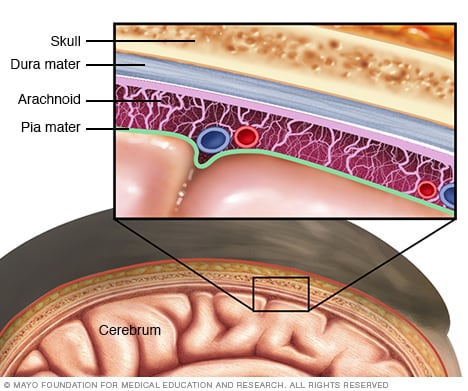
Meningitis is an inflammation of the membranes (meninges) surrounding your brain and spinal cord.
The swelling from meningitis typically triggers symptoms such as headache, fever and a stiff neck.
Most cases of meningitis in the United States are caused by a viral infection, but bacterial, parasitic and fungal infections are other causes. Some cases of meningitis improve without treatment in a few weeks. Others can be life-threatening and require emergency antibiotic treatment.
Advertisement
Mayo Clinic does not endorse companies or products. Advertising revenue supports our not-for-profit mission.Advertising & Sponsorship
Seek immediate medical care if you suspect that someone has meningitis. Early treatment of bacterial meningitis can prevent serious complications.
Symptoms
Early meningitis symptoms may mimic the flu (influenza). Symptoms may develop over several hours or over a few days.
Possible signs and symptoms in anyone older than the age of 2 include:
Sudden high fever
Stiff neck
Severe headache that seems different than normal
Headache with nausea or vomiting
Confusion or difficulty concentrating
Seizures
Sleepiness or difficulty waking
Sensitivity to light
No appetite or thirst
Skin rash (sometimes, such as in meningococcal meningitis)
Signs in newborns
Newborns and infants may show these signs:
High fever
Constant crying
Excessive sleepiness or irritability
Inactivity or sluggishness
Poor feeding
A bulge in the soft spot on top of a baby’s head (fontanel)
Stiffness in a baby’s body and neck
Infants with meningitis may be difficult to comfort, and may even cry harder when held.
When to see a doctor
Seek immediate medical care if you or someone in your family has meningitis symptoms, such as:
Fever
Severe, unrelenting headache
Confusion
Vomiting
Stiff neck
Bacterial meningitis is serious, and can be fatal within days without prompt antibiotic treatment. Delayed treatment increases the risk of permanent brain damage or death.
It’s also important to talk to your doctor if a family member or someone you work with has meningitis. You may need to take medications to prevent getting the infection.Request an Appointment at Mayo Clinic
Causes
MeningitisOpen pop-up dialog box
Viral infections are the most common cause of meningitis, followed by bacterial infections and, rarely, fungal infections. Because bacterial infections can be life-threatening, identifying the cause is essential.
Bacterial meningitis
Bacteria that enter the bloodstream and travel to the brain and spinal cord cause acute bacterial meningitis. But it can also occur when bacteria directly invade the meninges. This may be caused by an ear or sinus infection, a skull fracture, or, rarely, after some surgeries.
Several strains of bacteria can cause acute bacterial meningitis, most commonly:
Streptococcus pneumoniae (pneumococcus). This bacterium is the most common cause of bacterial meningitis in infants, young children and adults in the United States. It more commonly causes pneumonia or ear or sinus infections. A vaccine can help prevent this infection.
Neisseria meningitidis (meningococcus).This bacterium is another leading cause of bacterial meningitis. These bacteria commonly cause an upper respiratory infection but can cause meningococcal meningitis when they enter the bloodstream. This is a highly contagious infection that affects mainly teenagers and young adults. It may cause local epidemics in college dormitories, boarding schools and military bases. A vaccine can help prevent infection.
Haemophilus influenzae (haemophilus).Haemophilus influenzae type b (Hib) bacterium was once the leading cause of bacterial meningitis in children. But new Hib vaccines have greatly reduced the number of cases of this type of meningitis.
Listeria monocytogenes (listeria). These bacteria can be found in unpasteurized cheeses, hot dogs and lunchmeats. Pregnant women, newborns, older adults and people with weakened immune systems are most susceptible. Listeria can cross the placental barrier, and infections in late pregnancy may be fatal to the baby.
Viral meningitis
Viral meningitis is usually mild and often clears on its own. Most cases in the United States are caused by a group of viruses known as enteroviruses, which are most common in late summer and early fall. Viruses such as herpes simplex virus, HIV, mumps, West Nile virus and others also can cause viral meningitis.
Chronic meningitis
Slow-growing organisms (such as fungi and Mycobacterium tuberculosis) that invade the membranes and fluid surrounding your brain cause chronic meningitis. Chronic meningitis develops over two weeks or more. The signs and symptoms of chronic meningitis — headaches, fever, vomiting and mental cloudiness — are similar to those of acute meningitis.
Fungal meningitis
Fungal meningitis is relatively uncommon and causes chronic meningitis. It may mimic acute bacterial meningitis. Fungal meningitis isn’t contagious from person to person. Cryptococcal meningitis is a common fungal form of the disease that affects people with immune deficiencies, such as AIDS. It’s life-threatening if not treated with an antifungal medication.
Other meningitis causes
Meningitis can also result from noninfectious causes, such as chemical reactions, drug allergies, some types of cancer and inflammatory diseases such as sarcoidosis.
Risk factors
Risk factors for meningitis include:
Skipping vaccinations. Risk rises for anyone who hasn’t completed the recommended childhood or adult vaccination schedule.
Age. Most cases of viral meningitis occur in children younger than age 5. Bacterial meningitis is common in those under age 20.
Living in a community setting. College students living in dormitories, personnel on military bases, and children in boarding schools and child care facilities are at greater risk of meningococcal meningitis. This is probably because the bacterium is spread by the respiratory route, and spreads quickly through large groups.
Pregnancy. Pregnancy increases the risk of listeriosis — an infection caused by listeria bacteria, which may also cause meningitis. Listeriosis increases the risk of miscarriage, stillbirth and premature delivery.
Compromised immune system. AIDS, alcoholism, diabetes, use of immunosuppressant drugs and other factors that affect your immune system also make you more susceptible to meningitis. Having your spleen removed also increases your risk, and anyone without a spleen should get vaccinated to minimize that risk.
Complications
Meningitis complications can be severe. The longer you or your child has the disease without treatment, the greater the risk of seizures and permanent neurological damage, including:
Hearing loss
Memory difficulty
Learning disabilities
Brain damage
Gait problems
Seizures
Kidney failure
Shock
Death
With prompt treatment, even patients with severe meningitis can have good recovery.
Prevention
Common bacteria or viruses that can cause meningitis can spread through coughing, sneezing, kissing, or sharing eating utensils, a toothbrush or a cigarette.
These steps can help prevent meningitis:
Wash your hands. Careful hand-washing helps prevent the spread of germs. Teach children to wash their hands often, especially before eating and after using the toilet, spending time in a crowded public place or petting animals. Show them how to vigorously and thoroughly wash and rinse their hands.
Practice good hygiene. Don’t share drinks, foods, straws, eating utensils, lip balms or toothbrushes with anyone else. Teach children and teens to avoid sharing these items too.
Stay healthy. Maintain your immune system by getting enough rest, exercising regularly, and eating a healthy diet with plenty of fresh fruits, vegetables and whole grains.
Cover your mouth. When you need to cough or sneeze, be sure to cover your mouth and nose.
If you’re pregnant, take care with food.Reduce your risk of listeriosis by cooking meat, including hot dogs and deli meat, to 165 F (74 C). Avoid cheeses made from unpasteurized milk. Choose cheeses that are clearly labeled as being made with pasteurized milk
While the attention of the nation is fixed on fighting COVID-19, the people of the Upper West region appear to be dealing with a more serious threat. 214 people have so far been infected with Cerebrospinal Meningitis (CSM) with 33 deaths. This came to light during a presentation by the Upper West regional director of health last week.
CSM is an acute inflammation of the membranes covering the brain and the spinal cord. This condition is classified as a medical emergency. According to the World Health Organization (WHO) about 10 -15 % of patients diagnosed with CSM die.
MP for Wa Central, Dr Rashid Pelpuo, has thus penned an open letter to President Nana Akufo-Addo lamenting what he calls “loud silence and lack of expeditious action over the devastating Cerebrospinal Meningitis (CSM) infection in the Upper West Region.”
The former Sports Minister is calling for similar attention being given the fight against COVID-19 to be accorded the CSM outbreak as he argues that more lives have been lost to the CSM than the dreaded COVID-19.
“It remains a fact that 5 lives have been lost from COVID-19 and though these are precious lives, and one life is too many to be lost, this number is slight compared to the 33 deaths caused by CSM in the last few weeks. These are Ghanaians and loved ones of people of the Upper West region.”
He also alleges that drugs for the treatment of the condition are being managed for political gain. Though Dr Rashid Pelpuo stopped short of mentioning names, he claims “government rather than supplying the Regional Central Medical store with the drugs to be administered to all, allegedly decided to hand them over to that individual to present them as that person’s own effort at helping the outbreak.
“Not only is this alleged act dishonest, it is also cheap and inhumane as it portrays elements in your government as heartless people who will stop at nothing, including using disease and death, to reap political gains,” Dr Rashid Pelpuo said.
Below is Dr Rashid Pelpuo’s open letter to President Akufo-Addo
Dear Your Excellency,
I am writing to you today because of the loud silence and lack of expeditious action over the devastating Cerebrospinal Meningitis (CSM) infection in the Upper West Region. I had reason to draw attention of the Government on the floor of Parliament over the weekend about the effect of the disease in the region. However, there appears to be a lack of urgency with which the Ministry of Health is tackling the problem.
Mr President, as of last Friday, April 3, 2020, 214 cases of the disease were reported with 33 deaths.
We are admittedly in the midst of the COVID-19 pandemic and the nation and the world are still struggling to see the way clear. However, the fact of the present pandemic should not mean that other important health needs should be relegated to the background.
It remains a fact that 5 people have died from COVID-19 and though these are precious lives, and one life is too many to be lost, this number is slight compared to the 33 deaths caused by CSM in the last few weeks. These are Ghanaians and loved ones of people of the Upper West region.
CSM has been with us for a long time and has become perennial especially in the dry season when temperatures are high. Though its fatality rate is higher than COVID-19, its treatment is known.
Despite the devastating nature of CSM and the high mortality rates recorded so far in the region, it has been severely under reported and has therefore received very little attention. Indeed, it was during a presentation by the Regional Director of health on COVID-19 in the region that the CSM figures were mentioned in passing. It was a local radio station, Home Radio that picked the information and publicized it, calling attention to it.
Mr President, the essence of this open letter to you is three-fold;
Firstly, it is to draw your attention to the CSM scourge which has so far killed more people in the last few weeks than COVID-19, despite the fact that it is a known disease with a known treatment.
Mr President, it is also to prod you to cause the release of resources to subdue the occurrence of the disease before it spreads more riotously and reaches catastrophic levels. To think that 214 infections and 33 deaths have been recorded and there appears to be no notable public health intervention on the disease in the last couple of weeks is not only mind-boggling but leaves room to worry whether lives in the region are not important to you, sir. One would expect that by now a dual campaign of COVID-19 and CSM awareness would have been waged in the region to show people what to do should they see or experience symptoms and how they can keep safe. There appears to be no urgency at the moment to deal with the CSM outbreak, as all efforts are devoted to COVID-19.
Finally, and most disturbing are reports that drugs needed to subdue the outbreak of the Cerebrospinal Meningitis which are in short supply, were donated by an individual. Mr President, these are not drugs ordinarily available on the market and can only be procured and supplied by government.
What this means is that government rather than supplying the Regional Central Medical store with the drugs to be administered to all, allegedly decided to hand them over to that individual to present them as that person’s own effort at helping the outbreak. Not only is this alleged act dishonest, it is also cheap and inhumane as it portrays elements in your government as heartless people who will stop at nothing, including using disease and death, to reap political gains. This flies in the face of our culture and is condemnable.
In conclusion, the people of the Upper West region are desirous of a conscious and expeditious action by government in a similar manner we are fighting the COVID 19 disease, for the end objective is to save lives whether from COVID-19 or CSM especially as the numbers from later are more pressing. This lack of urgency and disregard for the lives of people in the Upper West region cannot be tolerated.
Mr President, as you have mentioned before, these are not normal times, therefore we need to close our ranks and work together as citizens with you providing impartial leadership. The people of the Upper West region are looking up to that leadership that dispenses justice and equality in addressing our present twin plagues of CSM and COVID-19.
The Director-General of Ghana Education Service(GES), Prof. Kwesi Opoku Amankwa has finally dropped the dates for all basic and secondary schools in Ghana to resume.
Following the coronavirus pandemic the world is battling including Ghana, His Excellency Nana Addo Dankwa Akufo Addo declared suspension on all public and private schools within the nation in order to control virus successfully.Advertise For FreeAdvertise Your Products and Services Free of Charge!
Well, many were those who lamented that staying at home is becoming a boredom threat to their lives, hence, called for resuming of schools. In the same vein, others to jubilates after the president announced the banE-mail Big Files for FreeThe file is big? E-mail big files via Filebig.net !
In a video accessible to mynewsghana.net, Professor. Amankwa mentioned said;
The basic schools will resume school on September 10, 2020. All form two’s, now going to form three will resume on 19th August 2020. We have already sent out this information but as part of our regular stakeholder engagement, we are having a meeting with our directors to still go through some of these issues. He said.
Furthermore, he opined that the third-year students who are ready to sit for their final exams should resume on the 19th of August, 2020 because if they are permitted to run the normal school program, they will be completing school somewhat August 2020. He also added that according to WAEC’s timetable, the form three’s are to complete school around June 2020.
In all, he concluded that due to much consumed time at home, after the meeting, headteachers will be encouraged to introduce early morning preps and weekend classes.
Edge Outlasts Randy Orton in WildLast Man Standing Match at WWE WrestleMania 36. Photo credit: WWE.com. In his first singles bout since WrestleMania 27 in 2011, WWE Hall of Famer Edge defeated Randy Orton in a Last Man Standing match Sunday on Night 2 of WrestleMania 36.Apr 6, 2020


 by
by 


 Advertise For FreeAdvertise Your Products and Services Free of Charge!
 E-mail Big Files for FreeThe file is big? E-mail big files via Filebig.net !
 Goodname